
Recent Articles
Popular Makes
Body Types
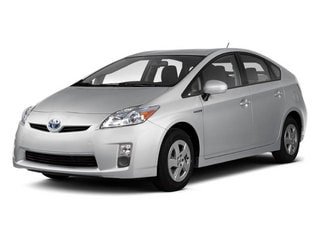
2010 Toyota Prius
Get Pricing$21,400 - $28,070 Starting MSRP
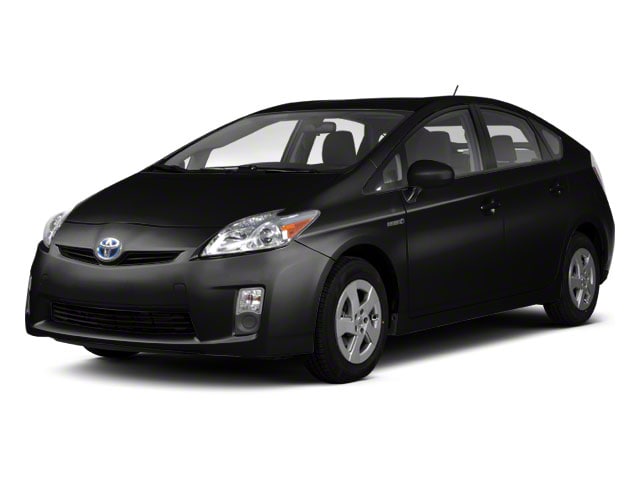
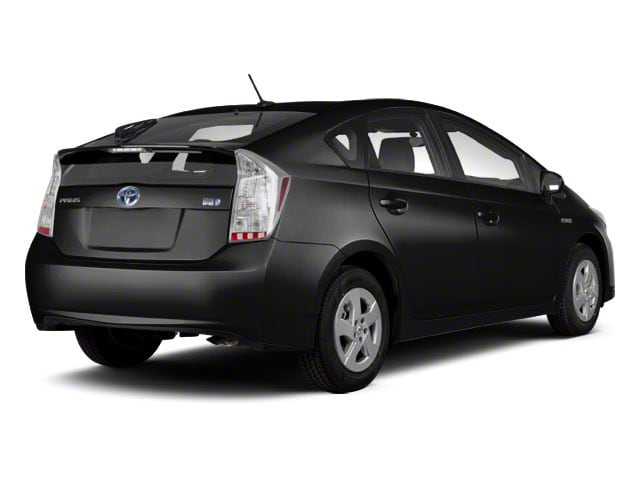
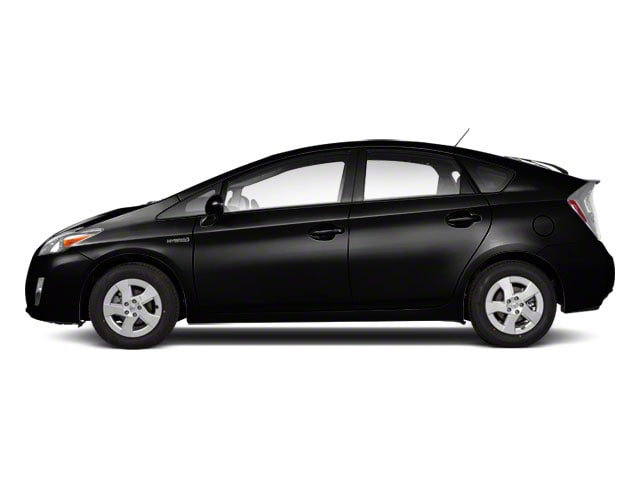
Model Highlights
Fuel Economy
50 MPG Comb.
Body Type
Hatchback, Sedan
Transmission
CVTAutomatic
Seatings
5 Seats
`
Get a New Car Quote
Overview
Built on a totally new platform, the 2010 Toyota Prius is still considered a midsize car and is still a 'full' hybrid, meaning that it can run on the engine alone, battery alone or a combination of both as needed.
There are three...
Looking for alternatives to the Toyota Prius?
Start Comparing NowColors
Exterior
Black
Blue Ribbon Metallic
Winter Gray Metallic
Barcelona Red Metallic
Classic Silver Metallic
Sandy Beach Metallic
Blizzard Pearl
Specs
Mileage
Fuel Economy Est-Combined (MPG): 50
EPA Fuel Economy Est - City (MPG): 51
EPA Fuel Economy Est - Hwy (MPG): 48
Electrical
Cold Cranking Amps @ 0° F (Primary): - TBD -
Maximum Alternator Capacity (amps): - TBD -
Cooling System
Total Cooling System Capacity (qts): - TBD -
Weight Information
Base Curb Weight (lbs): 3042
Trailering
Dead Weight Hitch - Max Trailer Wt. (lbs):
Dead Weight Hitch - Max Tongue Wt. (lbs):
Wt Distributing Hitch - Max Trailer Wt. (lbs):
Wt Distributing Hitch - Max Tongue Wt. (lbs):
Suspension
Suspension Type - Front: MacPherson Strut
Suspension Type - Rear: Torsion Beam
Suspension Type - Front (Cont.): w/Stabilizer bar
Suspension Type - Rear (Cont.):
Shock Absorber Diameter - Front (mm): - TBD -
Shock Absorber Diameter - Rear (mm): - TBD -
Stabilizer Bar Diameter - Front (in): - TBD -
Stabilizer Bar Diameter - Rear (in): - TBD -
Brakes
Brake Type: Pwr Regenerative
Brake ABS System: 4-Wheel
Disc - Front (Yes or ): Yes
Disc - Rear (Yes or ): Yes
Front Brake Rotor Diam x Thickness (in): 10.0 x - TBD -
Rear Brake Rotor Diam x Thickness (in): 10.2 x - TBD -
Drum - Rear (Yes or ):
Rear Drum Diam x Width (in):
Tires
Front Tire Order Code:
Rear Tire Order Code:
Spare Tire Order Code:
Front Tire Size: P215/45R17
Rear Tire Size: P215/45R17
Spare Tire Size: T135/80D16
Wheels
Front Wheel Size (in): 17 x 7.0
Rear Wheel Size (in): 17 x 7.0
Spare Wheel Size (in): Compact
Front Wheel Material: Aluminum
Rear Wheel Material: Aluminum
Spare Wheel Material: Steel
Steering
Steering Type: Electric Pwr Assisted Rack & Pinion
Steering Ratio (:1), Overall: - TBD -
Lock to Lock Turns (Steering): - TBD -
Turning Diameter - Curb to Curb (ft): - TBD -
Turning Diameter - Wall to Wall (ft): - TBD -
Fuel Tank
Fuel Tank Capacity, Approx (gal): 11.9
Exterior Dimensions
Wheelbase (in): 106.3
Length, Overall (in): 175.6
Width, Max w/o mirrors (in): 68.7
Height, Overall (in): 58.7
Track Width, Front (in): 59.8
Track Width, Rear (in): 59.4
Min Ground Clearance (in): 5.5
Liftover Height (in): - TBD -
Cargo Area Dimensions
Cargo Volume with Rear Seat Up (ft³): 21.6
Cargo Volume with Rear Seat Down (ft³): - TBD -
Interior Dimensions
Passenger Capacity: 5
Passenger Volume (ft³): 93.7
Front Head Room (in): 38.6
Front Leg Room (in): 42.5
Front Shoulder Room (in): 54.9
Front Hip Room (in): 52.7
Second Head Room (in): 37.6
Second Leg Room (in): 36.0
Second Shoulder Room (in): 53.1
Second Hip Room (in): 51.2
Summary
Vehicle Name: Toyota Prius
Body Style: 5 Door Liftback
Emissions
EPA Greenhouse Gas Score: 10
Tons/yr of CO2 Emissions @ 15K mi/year: 3.8
Pricing
This model has 15 different trims.
| MSRP | $28,070 |
|---|---|
| Invoice | $26,129 |
| Description | 1.8L/110, 98 @ 5200/80 @ - TBD -, CVTAutomatic |
Fuel Economy
This model has 15 different trims.
| City | 51 MPG |
|---|---|
| Hwy | 48 MPG |
| Combined | 50 MPG |
| Description | 1.8L/110, 98 @ 5200/80 @ - TBD -, CVTAutomatic |
Trending Related Articles
`
Get a Free Online Car Quote
©2024 AutoWeb, Inc. All Rights Reserved.
Some content provided by and under copyright by Autodata, Inc. dba Chrome Data. © 1986-2024.