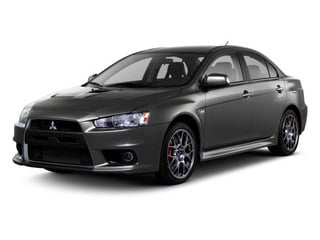
2010 Mazda MAZDASPEED3 vs. 2010 Mitsubishi Lancer Sportback Ralliart
When Volkswagen introduced the 1983 GTI, it single-handedly sparked the hot hatch segment that has since grown to include just about all automakers and almost any price range (is the Porsche Panamera not the hottest of all hatches?). The VW GTI may have been the original, but the Mazda MAZDASPEED3 has been one of the more popular entrants since its introduction in 2007 thanks to its high horsepower and low price tag. While the Subaru Impreza WRX and Chevrolet HHR SS are proven competitors to the sporty Mazda hatchback, for this comparison we put the redesigned SPEED3 up against an all-new foe, the 2010 Mitsubishi Lancer Sportback Ralliart.
Exterior
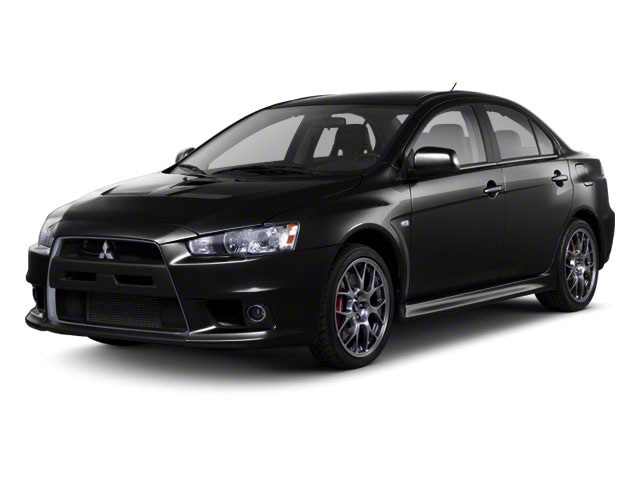
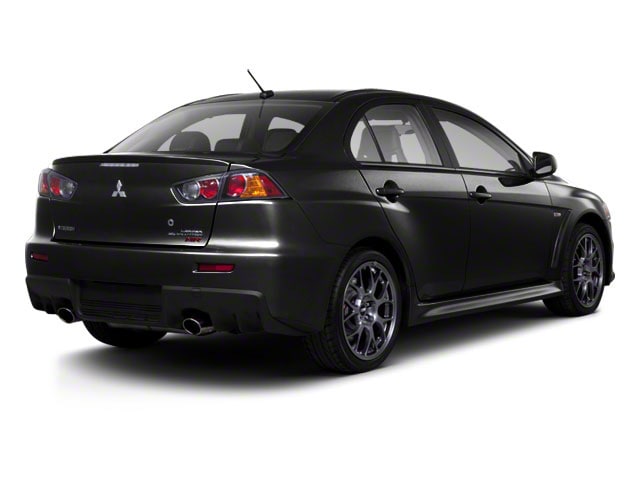
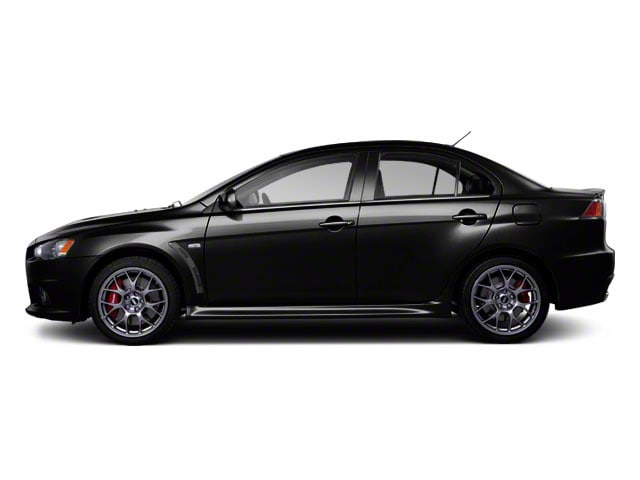
The styling of both cars, while significantly different from their base models, takes markedly different routes from one another. Parked alongside each other, the styling differences up front is almost comical with the SPEED3 smiley fast contrasting the Sportback Ralliart's angry scowl. Form also follows function on both cars as the Mazda's huge hood scoop feeds fresh air to the top-mounted intercooler, while the Mitsubishi's massive grille opening feeds air to the front-mounted intercooler and the trio of hood scoops helps to keep the engine compartment temperatures in check. Aside from the front end of the cars, there are fewer differences between the performance version and the base models of each respective car. Each gets stylish wheels, lower body kit, massive liftgate spoilers and huge chrome-tipped dual exhaust outlets, but they retain a recognizable shape with their respective economy-minded counterparts.
Exterior design comparisons always come down to an individual preference, but each of these cars capable of standing out in a crowd and attracting lots of attention that makes the decision between the two even harder. In all fairness, this category is a push, but in the spirit of naming a winner, you can't beat the in-your-face styling of a bright orange hatchback. For this reason, my preference leans ever so slightly toward the Sportback Ralliart and its Rotor Glow orange color that adds an extra $150 to the bottom-line price.
Interior
When it comes to the interior of both cars, this again comes down to personal preference. Tech-savvy customers will probably find more to love in the Mazda, while sports car enthusiasts will get a bigger thrill being behind the wheel of the Mitsubishi. Spicing up the interior a little bit, the SPEED3 has a stylish red and black pattern throughout the cabin with contrasting red stitching on the seats, steering wheel, shift boot and center console lid. The Sportback Ralliart's interior wasn't as flashy, but it added a healthy dose of faux carbon fiber trim, bright chrome and aluminum accents as well as contrasting stitching on the leather-bound steering wheel and shift lever. Options packages are limited on both cars with the Mazda offering a single package and the Mitsubishi offering two. For the Mazda, this SPEED3 was equipped with the optional ($1,805) MAZDASPEED Tech Package that adds features such as a 242-watt, 10-speaker Bose audio system, compact (business-card sized) navigation display and push button start. Likewise, the Sportback Ralliart had the optional ($2,750) Recaro Sport Package that included Recaro racing bucket seats, HID headlamps and a 710-watt, nine-speaker Rockford-Fosgate audio system, but it did not come with the navigation system ($1,999). Both cabins feature five-passenger seating and plenty of storage space if need be.
As these models were equipped, it's kind of hard to argue with the Mitsubishi's Recaro racing bucket seats for track purposes, but in everyday driving the SPEED3's sport buckets are much more comfortable. Taking comfort, cabin tech and layout into account, the SPEED3 edges out the Sportback Ralliart.
Performance & Handling
As is the case with almost every other aspect of these two cars, there are almost as many differences as there are similarities when it comes to the drivetrain setups. Under the hood of the SPEED3, Mazda went with a turbocharged and intercooled 2.3-liter DOHC direct-injected inline-4 that produces 263 horsepower and 280 lb-ft of torque with 15 PSI of turbo boost available. In the Mitsubishi corner, the Sportback Ralliart gets the proven 2.0-liter MIVEC DOHC inline-4 which is also turbocharged and intercooled to produce 237 horsepower and 253 lb-ft of torque with 17.9 PSI of turbo boost available. The disparity between each car's engine output is somewhat noticeable, but the true difference is obvious when it comes time to put that horsepower to the pavement. Try all it might, the front-wheel drive SPEED3 still suffers from a bad case of torque steer despite the limited-slip differential, while the Sportback Ralliart has full-time all-wheel drive with limited slip front and rear differentials and an active center differential.
Gear-shifting preference will also play a part in deciding between the Mazda and the Mitsubishi. The only option for the SPEED3 is a sporty-ish six-speed manual that has sporty throw, but it really doesn't feel much different than what is standard equipment on the base MAZDA3 hatchback. The Sportback Ralliart, on the other hand, is equipped with Mitsubishi's Twin Clutch - Sportronic Shift Transmission (TC-SST) which is probably the best transmission currently available in the U.S. In regular automatic mode, the dual-clutch automatic feels sporty enough as it is, but playing with the Sportronic paddle shifters gives an enjoyable racecar-like experience. For even more fun, flipping the sport mode toggle switch (located next to the shift lever) makes the transmission hold each gear longer and shift a little harder. If all of these specs and components for the Lancer Sportback Ralliart are starting to sound familiar, it's because this is the same drivetrain as the Lancer Evolution MR with the engine detuned by about 60 horsepower and 50 lb-ft of torque but, more importantly, at a savings of more than $12,000.
The end result is 0-60 mile per hour acceleration for both cars in the low six-second range, but neither car is designed just to go in straight lines. Each automaker equipped its hot hatch with a retuned and lowered sport suspension that gives the cars impressive handling capabilities. Equally as important as the acceleration and handling, the SPEED3 and Sportback Ralliart also benefit from well-balanced sport brakes to help bring the cars to a quick stop.
If the only determining factor were speed and acceleration, then the SPEED3 is the way to go, but for improved stability, handling and braking, the Sportback Ralliart once again comes out on top.
Pricing
In base trim, the Mazda 3 and the Lancer Sportback both have MSRPs that start right around $20,000, but the performance-tuned models are a little pricier. The starting MSRP for the 2010 MAZDASPEED3 is $23,195 and after factoring in our test model's optional tech package (with the aforementioned audio upgrade and navigation system), the as-tested price was still a reasonable $25,840. The base Lancer Sportback actually beats out the base MAZDA3 five-door by $350, but the Ralliart's $27,590 starting price is already more than the SPEED3 that it's going up against. Add in the Recaro Sport package that includes the racing bucket front seats and the blasting sound system, and this car had an as-tested price of $31,210 - almost in the Lancer Evolution territory.
In terms getting the most bang for the buck (one of the attributes that makes the segment so popular in the first place), the SPEED3 easily wins this category beating the Sportback Ralliart handily in regards to both pricing and horsepower. Putting numbers on it, the Mazda costs $98 per horsepower, while the Mitsubishi costs $131 per horsepower.
Winner:
Even though the all-new Mitsubishi Lacer Sportback Ralliart is outmuscled and overpriced compared to the more popular MAZDASPEED3, the Mitsubishi is by far the better total package making it an easy pick as the top dog in this comparison. The 2010 Mitsubishi Lancer Sportback Ralliart edged out the incumbent hot hatch, the 2010 Mazda MAZDASPEED3, while its intangibles put it almost on par with the more powerful and more expensive Subaru Impreza WRX STI.
Select photos by Jeffrey N. Ross
Vehicles provided by Mitsubishi and Mazda.