+
-
By Benjamin Hunting
|
October 24, 2011
Several recalls have been initiated over the course of the past 30 days, affecting automobiles built in Europe and the United States. The most far-reaching of the safety campaigns touches on 168,275 vehicles built by Audi and Volkswagen. Specifically, the problem relates to models built between 2009 and 2012 that are outfitted with the brand's fuel efficient turbodiesel (TDI) drivetrain.
Although so far no accidents or incidents have been reported by drivers, Volkswagen has discovered that the fuel injector lines on these vehicles can become cracked due to a vibration caused by the injectors themselves. The crack can lead to fuel being dumped on the engine, which creates the risk of a fire. The solution to the problem is for Volkswagen to replace the injector lines with new ones made out of a more resilient material. Automobiles involved in the recall include the 2009-2012 Volkswagen Jetta TDI, the 2010-2012 Volkswagen Golf TDI and the 2010-2012 Audi A3 TDI.
Mercedes-Benz has also issued a recall of its diesel automobiles, and again the issue is tied-in with the risk of a fuel leak. A defective fuel filter is the culprit in this case, and the problem has forced the brand to call back just under 6,800 vehicles. Given that the luxury car company sells a single diesel drivetrain in North America, the campaign affects a wide range of models, including the 2011 Mercedes-Benz E-Class, the 2012 Mercedes-Benz S-Class and versions of the Mercedes-Benz R-Class, Mercedes-Benz ML-Class and Mercedes-Benz GL-Class built between specific dates.
A somewhat less serious recall has been applied to the 2011-2012 Chevrolet Corvette. The sports car's hatchback was outfitted with hinges that were not designed in line with federal regulations concerning how much weight they can bear. As a result, in a crash the hatch could become disconnected and actually fly off of the automobile. 5,755 Corvettes are implicated in the campaign, which will involve dealers replacing the hinges free of charge should they be determined to be faulty.
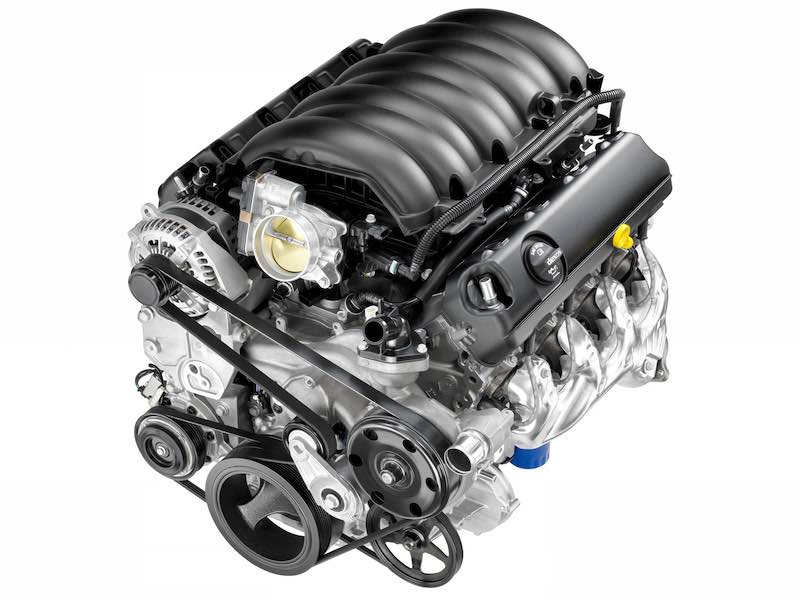
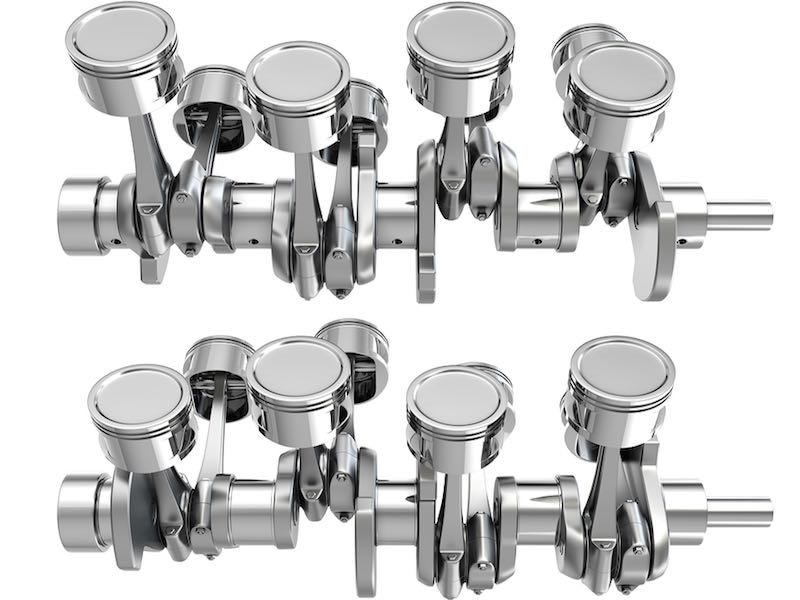
The smallest, but possible the most involved recall for this past month in terms of the work required to rectify the problem has been initiated by Chrysler. The company's new Pentastar V-6 has become a victim of a poor quality control process which saw certain engine blocks leave the company's factory without having been properly cleaned. These motors, produced over a 12 day period starting at the end of August could be loaded with debris that would eventually cause them to fail.
The potentially-damaged motors made their way into a long list of different vehicle models, with nearly every vehicle featuring the motor and sold under the Dodge, Jeep or Chrysler banner during this period affected. Chrysler has stated that only 667 vehicles in total will require the brand new engines that are required in order to fix the problem. The new power plants will be provided for free, and Chrysler has also announced that it will reimburse owners for any out of pocket repair expenses related to the issue that might have already been incurred.