Major Types of Car & Truck Tires

Major Types of Car & Truck Tires

Choosing tires for your car isn't always a simple task. Sometimes, the tires that are provided by the manufacturer as stock equipment are a perfect fit for your driving style and the weather conditions found in your region of the country, but other times you might feel the need to upgrade your rubber to something that can offer you the level of performance and safety that you need.

Let's take a look at the seven most common types of tires and examine the pros, the cons and the details surrounding each of these tire choices.

Performance Tires

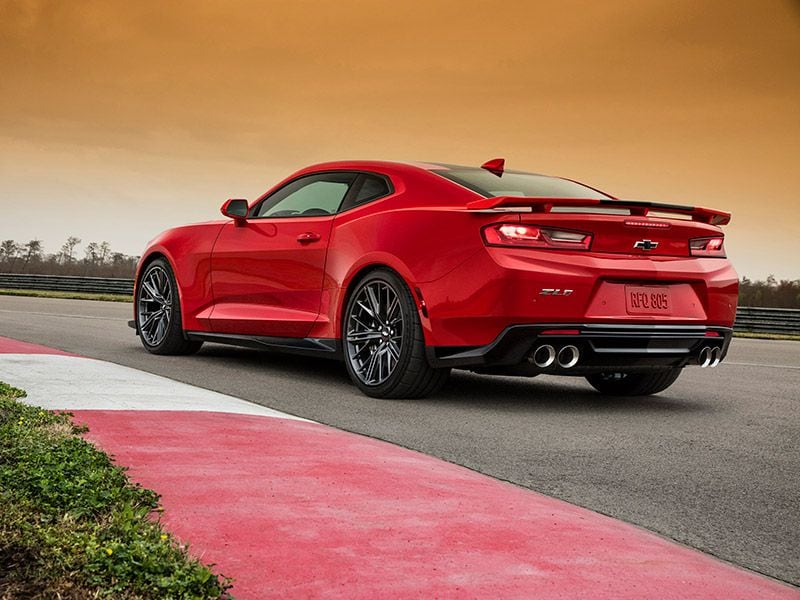
Performance tires (also known as 'summer' tires) are intended to offer the utmost in handling on dry pavement during warm weather conditions. They achieve this primarily by combining very sticky rubber compounds with a tread design that maximizes the tire's contact patch - that is to say, the amount of rubber that is actually in contact with the road at any given time. Ultra-high performance tires can often be identified by the softness of the rubber to the touch as well as an almost complete absence of tread in comparison to a regular tire. Very frequently, high performance tires resemble racing 'slicks' with a few grooves carved into their tread surface.

Performance tires are often the most expensive rubber of all to shoe your car with, given the advanced materials and design that they use. They also wear much more quickly than a standard tire, due to the fact that the softer compounds do not last nearly as long when exposed to the heat of normal driving. A final caveat: while dry performance is top notch with this type of tire, handling in the wet can sometimes be compromised.

Common examples of high performance tires include the Continental ExtremeContact series, the Michelin Pilot Sport and the Bridgestone Potenza RE series. The Dodge Viper comes factory equipped with Michelin Pilot Sport performance tires.


All-Season Tires

All-season tires are somewhat deceptively named. Many drivers assume that the term 'all-season' refers to the fact that these tires offer good year-round performance, regardless of weather conditions. In reality, all-season tires are a compromise that provide average stopping power and wet weather handling during warm weather driving, paired with below average performance once the mercury starts to drop.

The rubber compounds and tread designs found on all-season tires are meant to provide a balance between tread life, grip and cornering, and as such they do not offer the laser-like precisions of performance tires or the cold weather capabilities of a true winter tire. They are, however, very affordable and as such are found on the widest range of vehicles as standard equipment.

Almost every tire company on the planet builds several lines of all-season tires (Michelin, Goodyear, Bridgestone, etc), and they can be found installed on vehicles ranging from the 2011 Mazda CX-7 to the 2011 Ford Fusion sedan.


Run-Flat Tires

Run-flat tires are a relatively new entry into the world of commercially available rubber. These special tires are designed to survive a puncture or a blowout and remain structurally sound for a distance of about 50 miles before they must be replaced. Run-flat tires accomplish this impressive feat thanks to specially designed sidewalls that are reinforced to the point where they can support the weight of an automobile despite the tire being empty of air. It is possible to find run-flat versions of winter, performance and all-season rubber.

Run-flat tires are definitely safer than standard tires in the event of a sudden loss of air pressure while a vehicle is underway. There are some trade-offs to be made with this type of tire, however. A stiffer sidewall means that run-flats do not ride as comfortably as traditional tire designs, and combined with their additional mass (due to the reinforced sidewall) these tires are not ideal for high performance vehicles. They are also much pricier than regular tires when it comes time to have them replaced.

Manufacturers such as Goodyear and Michelin provide run-flat tire options, with many companies preferring to equip their automobiles with run-flats instead of provide a spare in the trunk. Almost every new automobile from BMW (including the 2011 BMW Z4 roadster and the 2011 BMW 3 Series) is offered with standard run-flat tires.


Low-Rolling Resistance Tires

Low-rolling resistance tires came to the fore as part of the hybrid revolution. As the name suggests, these tires are built so as to minimize friction and reduce the amount of energy required to get a car moving and keep it going down the highway. Most of the engineering in a low-rolling resistance tire is found in its rubber compound and tread pattern, and in some cases these designs are capable of improving fuel mileage by as much as eight percent.

Why aren't all tires low-rolling resistance tires? While reducing friction works well when the vehicle that these tires are installed on has been built with that goal in mind, high-powered automobiles rely on the stickiness of their tires in order to put their power down to the road and maintain control during high speed cornering. Less friction equals less traction, which can also be an issue during wet or colder weather regardless of how powerful an automobile this type of tire is installed on.

Low-rolling resistance tires from companies such as Michelin and Goodyear can be found as stock equipment on vehicles like the 2011 Toyota Prius and the 2011 Ford Escape.


Off-Road Tires

Over-sized, knobby off-road tires are often seen gracing the rims of Jeeps and other four-wheel drive vehicles owned by those who regularly drive far off of the beaten path. The plus-size diameters - some off-road tires are listed at 32-inches or greater - work to increase the ground clearance of the truck that they are installed on, and the chunky tread blocks are great for grabbing into mud or rocks and helping to prevent getting stuck out on the trail. Off-road tires are also notable for providing a safe level of grip while driving on pavement, which means that there is no need to swap tires once the weekend is over and the time comes to wash off the mud and drive into work on Monday morning

Off-road tires are also called all-terrain tires, and while their aggressive tread patterns suggest that they would make an excellent winter option, their rubber compounds are typically drawn from the same stock as found in all-season tires. This means that they are not the best choice once the weather turns cold.

Many truck manufacturers provide the option of installing off-road tires from brands such as BFGoodrich and Pirelli right from the factory. Vehicles such as the 2011 Toyota FJ Cruiser and the 2011 Ford F-150 can be had with all-terrain tires.


Winter Tires

Winter tires are designed to handle low temperature driving conditions, as well as the reduced traction afforded by ice and snow in some areas of the country during the colder months. These tires are sometimes referred to as 'snow' tires, but in reality winter tires offer far more than just additional grip when plowing through the white stuff - the special rubber compounds used in these tires are designed to stay soft even when water is freezing on the ground. This means that winter tires offer much better braking and handling on cold, dry pavement than all-season or summer performance options.

The tread blocks on winter tires are also different from a standard tire in that they are designed to not only cut through snow with their sharp edges, but they also trap snow in special channels between each tread block. This allows the tires to take advantage of the fact that snow sticks well to snow, increasing the overall grip offered by the tire itself.

Popular winter tires include the Bridgestone Blizzak series and the Nokian Hakkapeliitta series. It is difficult, if not impossible to buy a brand new automobile that is already equipped with winter tires, but dealerships usually stock them in factory sizes for drivers who live in regions that see harsher winters.


Studded Tires

Studded tires are unique in the tire world because they are not built in the same manner as the other tires on our list. As the name suggests, studded tires feature special metallic 'studs' that allow them to grip onto ice by penetrating through the frozen top layer like the claws on a cat. These studs can be added to any brand new winter tire, which means that studded tires are actually put together by a tire shop, not an OEM manufacturer.

Studded tires are a rarity in urban areas, but out in more isolated rural communities that see a lot of snow and ice they are much more common. The drawbacks associated with studded tires include compromised dry pavement handling due to the presence of the studs, and the fact that the studs themselves eventually grind down or fly off of the tires during the course of regular driving. Studded tires are usually forbidden by law during all but the coldest months due to the fact that they can seriously tear up asphalt - especially when mounted on a heavy vehicle.

No automaker offers studded tires as a factory option.


comments powered by Disqus