That's just not a recipe for sustainable growth; in fact, since the industry overall was up a bare 1 percent, it might not be a recipe for any kind of growth.
With that being said, let's update some of the truckier trends I've been following this year.
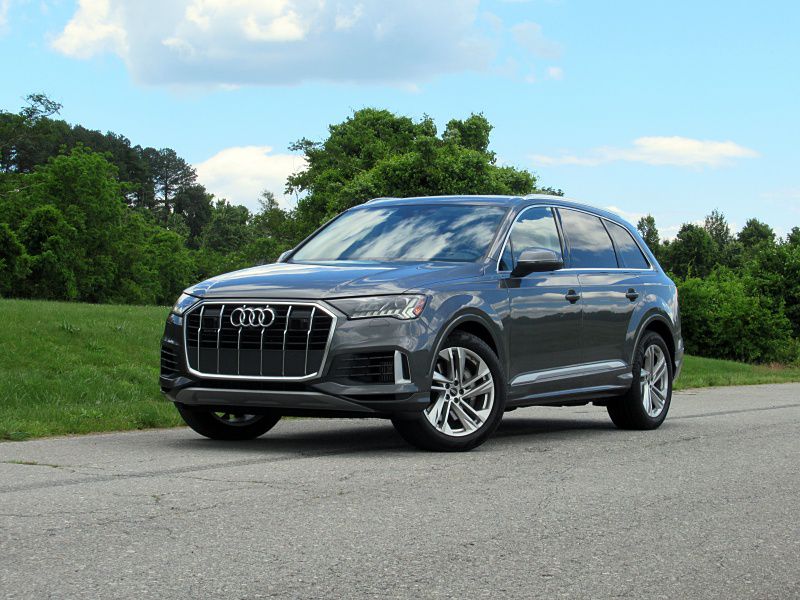
Another Jeep LeapConsider the situation at Jeep. Obviously, the brand doesn't offer any 40 mpg vehicles, or any 30 mpg vehicles for that matter, yet its year-to-date sales are up 49 percent. Jeep also was the fastest-growing brand in the industry in July, when deliveries increased 46 percent, and it's been among the top six fastest growers in every month except February, when it still managed a 22.6 percent increase.
Every current Jeep product increased sales in July and is up by at least 20 percent on the year, again led by the Compass. That vehicle is up 123 percent through July, followed by the Jeep Grand Cherokee, with an increase of 107 percent; Jeep Patriot, ahead 63 percent; Jeep Liberty, moving forward 37 percent; and the Jeep Wrangler, catching 20 percent more sales.
Of the 18,713 extra sales the Chrysler Group achieved in July 2011 as compared to the same month last year, Jeep contributed 12,225 of them (65.3 percent). And with the FIAT 500 chipping in 3,038 July sales of its own, you can see just how tough things are going for the rest of the company—the other 13 current nameplates were responsible for just 3,450 units of growth last month.
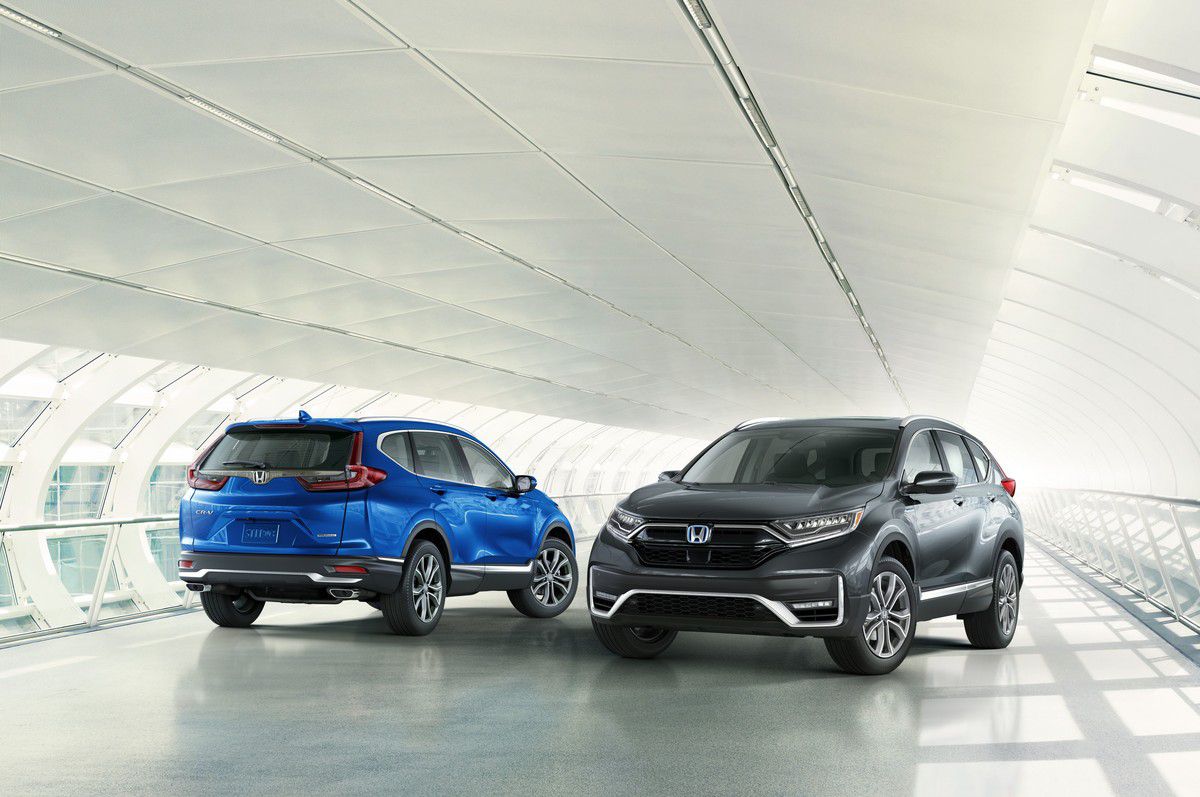
Kia Continues Coming on StrongWhile many Hyundai and Kia products share the same underpinnings, the two brands' lineups do have a key difference that puts the car vs. truck issue into sharp focus: While Hyundai is making a big news splash with its 40-mpg cars, its crossover lineup hasn't been faring so well. The brand once again saw crossover sales slip in July (by 4.9 percent) as every mainstream automaker except Toyota went in the opposite direction, and Toyota gets a bit of a free pass here because of the production problems caused by the spring disasters in Japan.
As a result, as has been the case for a number of months now, Kia outperformed its big brother in terms of sales growth in July, when the former jumped up by 29 percent and the latter grew by "only" 10 percent. Two of the most important reasons for this being the popularity of the Kia Sorento, which set a July record for sales volume last month on a boost of 47 percent, and the Kia Sportage, which jumped up by 127 percent. In contrast, although the Hyundai Santa Fe did manage to increase sales by 15 percent last month, the Hyundai Tucson dropped almost 6 percent.
More Non-car All-starsCherry-picking my way through some of the other July sales data, we find every Nissan car lost sales last month except for the Nissan Leaf and Nissan Altima (up 16.8 percent), yet on the truck side of the ledger, the Nissan Frontier was up 21.8 percent, the Nissan Pathfinder gained 17 percent, and the Nissan Rogue, while only growing by 2.7 percent, did set a new volume record with 11,260 units. Now, if you look at the way Nissan breaks out its sales in its press materials, the results show car growth of 6.6 percent and non-car growth of 6 percent. But that's because the company included sales of the Nissan Juke among the cars, even though it's positioned as a crossover at the brand's retail site.
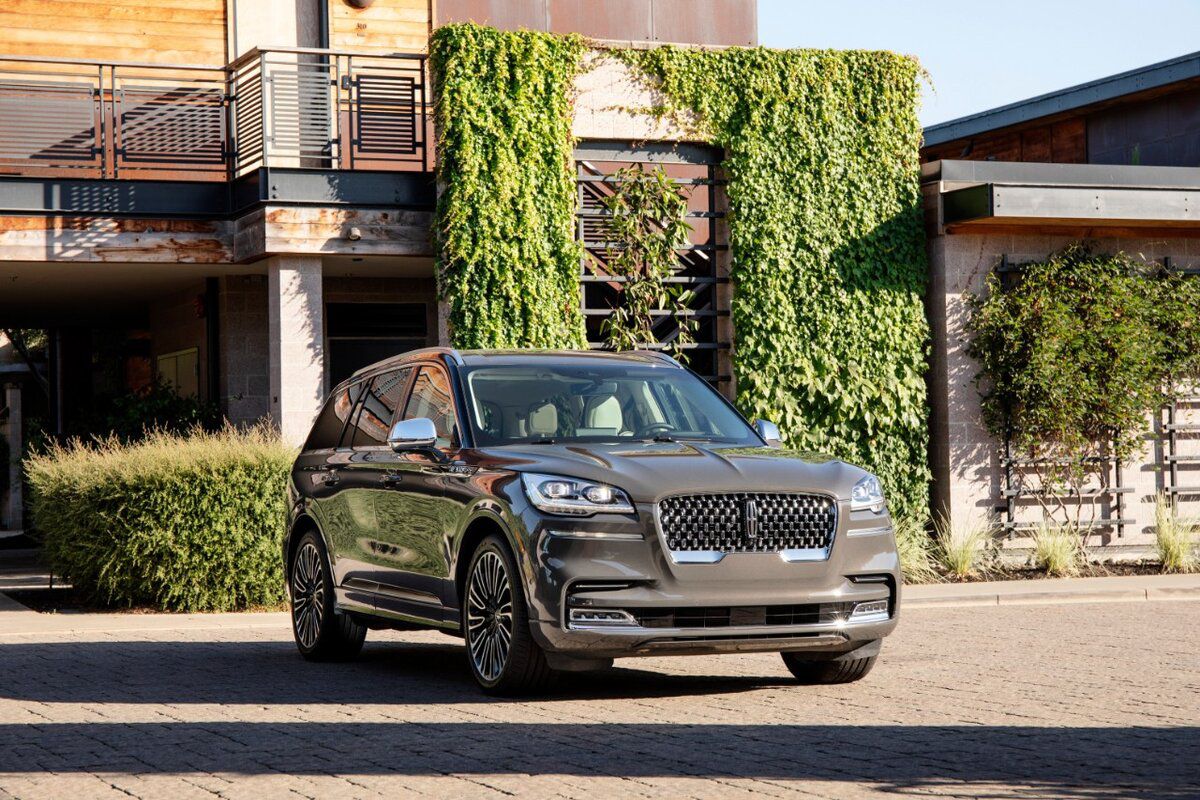
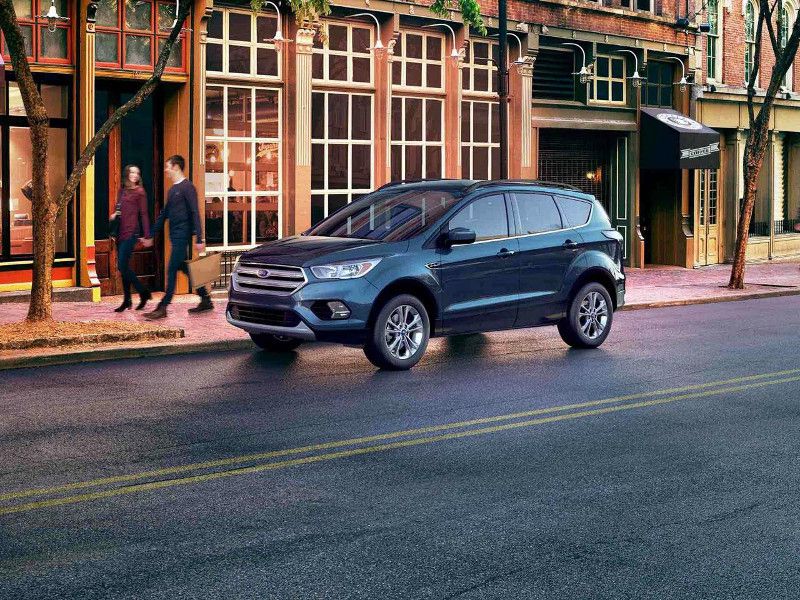
The big news at Ford, on the surface of things anyway, was that Lincoln somehow grew sales by nearly 40 percent in July, thanks to strong performances by the Lincoln MKZ (up 80.4 percent) and Lincoln MKX (up 32.7 percent). Putting that into context, the Lincoln division contributed just 7,814 sales to Ford's bottom line, representing just 4.3 percent of the Blue Oval's total July sales. When you break out the sales at the Ford division, cars were up 7.9 percent and "utilities" scored a 43.4 percent advance. It is worth pointing out that the Blue Oval separates out "trucks" from "utilities," and the former were only able to grow by .5 percent, chiefly because deliveries of the Ford F-150 slipped by 2.7 percent.
Finally, let's get to the General, where the Chevrolet Cruze continued its strong run by attracting another 24,648 buyers in July, an increase of 231 percent over the Cobalt's performance in the same month last year. But it was GMC—GM's all-truck brand—that had set the pace for the company in July by achieving a 36.4 percent growth rate; to put this in context, Buick was up .4 percent, Cadillac sunk 25.5 percent, and Chevy did manage to outperform the industry with a 6.5 percent sales increase.
Get a load of some of these performances: The GMC Acadia was up 87 percent while its Lambda counterparts, the Chevrolet Traverse and Buick Enclave, were up 43.2 percent and 21.9 percent, respectively, in July. Likewise, the GMC Yukon XL was up 60.8 percent while its better half, the Chevrolet Suburban, saw sales increase by 15 percent.
A Small Bright Spot in Small PickupsThere was one particular trend in July that did seem to indicate at least one certain group of truck buyers was looking for smaller, (somewhat) more fuel-efficient choices: Except for the Toyota Tacoma, which gets the Toyota exception, all of the small pickups grew sales by more than 20 percent, including the previously-mentioned Nissan Frontier, along with the Chevrolet Colorado, notching a 44.4 percent gain, and the GMC Canyon, the beneficiary of a whopping 122.5 percent sales improvement.
It seems pretty clear that, given the right conditions, customers have a lot of interest in compact-ish pickups—it's too bad the same can't be said for the industry.