After August's safety headaches a fresh batch of recalls were in the cards this past September for Honda, which was forced to issue safety campaigns for several different automobiles. The most extensive Honda recall affected 347,000 2009 - 2011 Honda Pilot SUVs, a vehicle which has been reported to have an issue with its driver and front passenger seatbelts that could cause them to release from their anchors during an accident. The problem, which is related to the stitching of the belts themselves, has so far caused no injuries. The vast majority of Honda Pilots involved in the recall (over 300,000) were sold in the U.S. market.
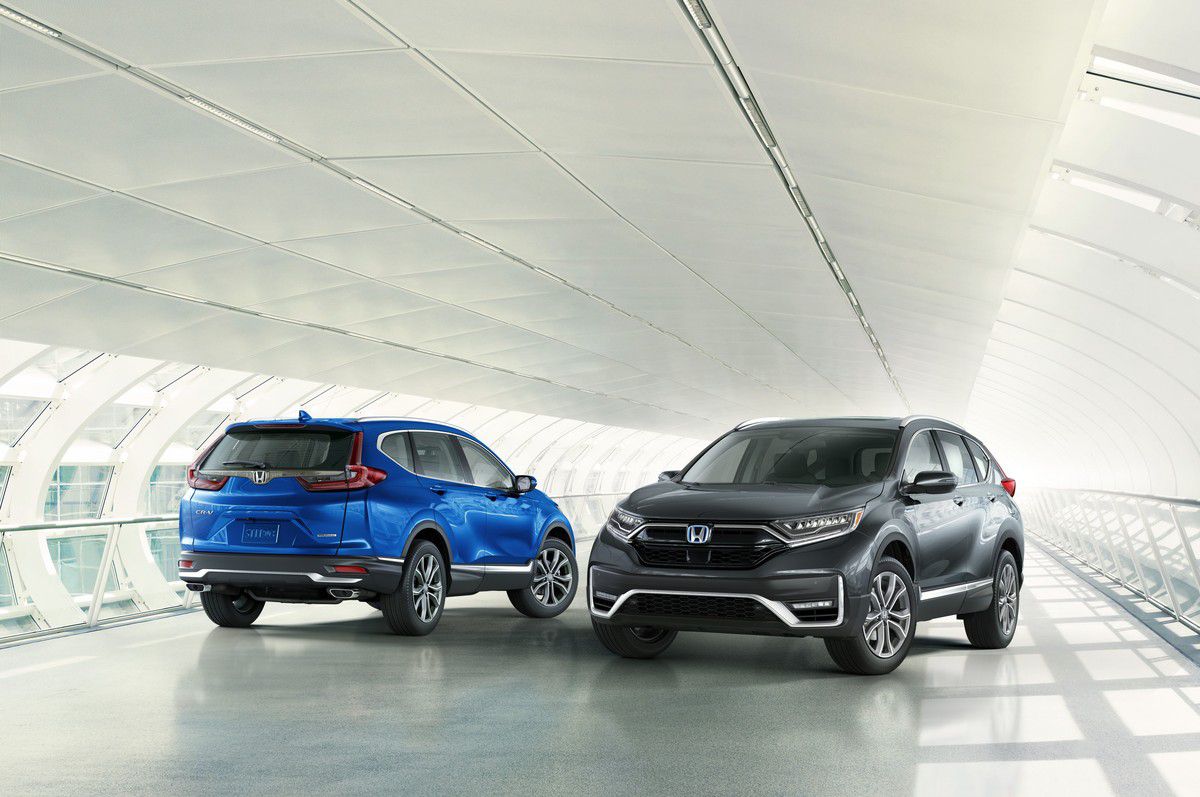
The news of the Pilot recall comes right on the heels of a problem with 96,000 2005 - 2009 Honda Fit compact hatchbacks. The less serious issue deals with window switches which eventually malfunction, a concern which is somewhat similar to a recall that has also been initiated on the 2006 Honda CR-V. 88,111 of these compact SUVs in the United States are being called back to dealerships in order to replace a faulty master window switch, which can suffer from a degradation of its electrical contacts that could eventually lead to a fire. The final blow to Honda owners for September is related to the Honda CR-Z compact hybrid, of which 5,626 American examples require engine control reprogramming in order to avoid a scenario where the vehicle's electric motor could turn in the wrong direction while the gasoline engine is stalled. This error has the potential to send the coupe rolling backwards regardless of the selected transmission gear.
Subaru has also been forced to issue multiple recalls over the past several weeks. Some editions of the 2003 - 2008 Subaru Forester, 2002 - 2007 Subaru Impreza and Impreza-based 2005 - 2006 Saab 9-2X have been experiencing control arm failure due to corrosion, an issue which has caused several accidents after drivers lost steering control while their vehicles were at speed. Subaru has restricted the recall to parts of the country where extensive road salt use is a fact of life, including all of the Northeast. 295,123 vehicles are affected by the recall.
The 2010 - 2011 Subaru Outback and the Subaru Legacy sedan that shares its platform are also part of a safety campaign, which although less serious involves 195,080 automobiles. The issue with the newer Subarus has to do with an overheating windshield wiper motor, which could eventually stop working altogether. 2011 models of both vehicles have also been tagged for moonroof glass which was improperly glued on at the factory, and which can actually release and fly off the top of the car while traveling at highway speeds. 69,590 Legacy and Outback vehicles need to have their moonroofs properly attached by dealership personnel.
Korean corporate siblings Kia and Hyundai are each facing SUV recalls associated with the same secondary restraint system problem. The 2007 - 2008 Hyundai Santa Fe, 2007 - 2008 Hyundai Veracruz and 2007 - 2008 Kia Sorento all feature an airbag sensor defect that could cause airbags to not deploy in the event of a serious accident. In total, 215,864 vehicles are affected.
Two German companies round out this week's recall roundup. A very small number of 2011 BMW 328i xDrive and BMW 335i xDrive automobiles (190 in total) are being called back to dealerships in order to have their front driveshaft bolts inspected. Some versions of these all-wheel drive cars were sold with improperly torqued bolts, which could cause the driveshaft to come loose and cut power to the front wheels while traveling down the road.
A larger, but more unusual recall affects the 2011 - 2012 Volkswagen Jetta. According to the NHTSA press release, 30,294 editions of the sedan had exhaust tips that were "too long" installed during the importation process to the United States. These oversized tips stick out so far that VW is concerned that owners or even passersby could be burned by the hot steel while accidentally brushing up against the vehicle.