It’s Friday once again, which means it’s time for another round of my Five For Friday: Five Thoughts about the Auto Industry for November 25, 2011. No more Volkswagen five-cylinder engines, the return of all-wheel drive Jaguar sedans, Mazda's QR code experiment, the Nissan Titan redesign faces another delay and a list of the most profitable vehicles of all-time - let’s look at my take on the most noteworthy and interesting automotive stories from the past week.
01. Volkswagen Says 'Goodbye' to Five-Cylinder EnginesAfter years of middling fuel economy, Volkswagen has decided to replace the five-cylinder engines found in many of its smaller automobiles with newer, turbocharged four-cylinder designs. The current 2.5-liter, five-cylinder offers 170 horsepower but achieves similar fuel economy ratings - 33-mpg - as the brand's 200 horsepower, 2.0-liter, turbocharged motors found in vehicles like the Volkswagen GLI and Volkswagen GTI.
Car and Driver is reporting that the German automaker will move to a 1.8-liter, turbocharged four-cylinder that is from the same family as the 2.0-liter unit, and while power output will not be at quite the same level as the GLI and GTI performance models fuel economy will improve across the board. The fresh engine will arrive on American shores within the next few years.
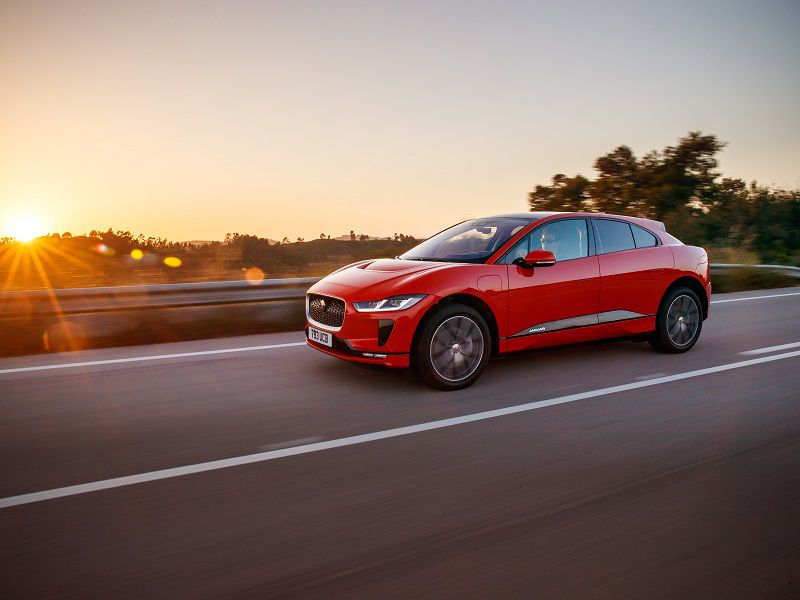
02. All-Wheel Drive Jaguars On The HorizonAutocar has published a story detailing Jaguar's desire to add all-wheel drive editions of several of its high end sedans to its lineup sooner rather than later. Specifically, the Jaguar XF mid-size sedan and the car company's Jaguar XJ flagship will be outfitted with a new all-wheel drive system that is currently being co-developed with sister brand Land Rover. The push behind Jaguar's desire to incorporate all-wheel drive into its options list (after years of focusing on rear-wheel drive performance) is tied into market research that has shown Jaguar that the drivetrain accounts for 70 percent of vehicle sales in northern U.S. states.
It's almost certain that Jaguar is also feeling the pressure of competing against BMW and Audi, each of which make all-wheel drive available with their respective mid-size and full-size luxury sedans. Jaguar has only ever sold one all-wheel drive automobile in North America - the Jaguar X-Type - and while the compact sedan failed to make waves it was in all fairness based on a more pedestrian Ford platform and priced at a lower point than the XF and XJ are targeting. This makes it a poor predictor for the success of the company's current all-wheel drive program.
03. QR Codes To Convert Mazda Renters Into Mazda Buyers?QR codes, which are the small, square graphics emblazoned across everything from magazine advertisements to product wrappers that can read by smart phones and used to direct readers to online content, have yet to gather much momentum in the auto industry. According to the Automotive News, Mazda is hoping to change that with a new initiative that will see it applying QR tags to the vehicles it provides to rental fleets in order to drive customers to the dealership after they have returned their hired ride.
Mazda will be specifically targeting renters of the mid-size Mazda Mazda6 by adding QR codes to a number of the sedans sold to rental giant Enterprise. The codes will send drivers to a website that provides vehicle and dealership information with the goal of encouraging happy renters to consider buying a new Mazda. The vehicles featuring the QR code will not be made available to the general public, but rather will be offered under Enterprise's replacement car service that provides automobiles for use by insurance company customers awaiting repair of their own cars and trucks.
04. No New Nissan Titan Until 2014America's oldest pickup design found out it was going to have to soldier on in its current form for at least a few more years this week. An article in Autoweek details Nissan's decision to postpone a redesign of the full-size Nissan Titan truck (which was once an appealing alternative to the market's domestic kingpins) until 2014
Several factors have contributed to the Titan lagging behind the competition when it comes to the introduction of new technologies and platforms. The vehicle, which as been riding on its existing platform since 2004, was originally planned to be re-engineered in partnership with Chrysler and built using Dodge components. The economic crisis of 2009 dashed those plans and forced Nissan to look internally for a new Titan design - a process that itself has been impeded by the company's need to deal with the more urgent concerns associated with March's Japan earthquake and tsunami.
05. Mirror, Mirror On The Wall, What's The Most Profitable Vehicle Of All?Some cars are profitable because they are cheap to build or sell in enormous numbers, while others make gobs of money for their manufacturers thanks to inflated sales prices eagerly paid by luxury-hungry drivers. This past week, the Automotive News reported on the findings of BernsteinResearch, a firm which conducted a probe into which vehicles over the past 20 years have made the most money for their respective brands.
Leading the list was the Ford F-Series pickup, an truck which has consistently outsold any other automobile in the United States for decades. Chevrolet/GMC and Dodge pickups took the next two spots, while the Mercedes S-Class sedan snagged the number four position. Positions five through eight were also held by expensive premium models (the BMW 5 Series, BMW 3 Series, Mercedes E-Class and Lexus RX), while the ubiquitous Jeep Grand Cherokee came in ninth. The 10th most profitable vehicle of all time, according to BernsteinResearch, is the Honda Accord, which has enjoyed enough market penetration in both coupe and sedan form to overcome its affordable pricing and churn out big profits for its Japanese builder.